

The Role of Bankruptcy in Debt Management: What You Need to Know

Bankruptcy plays a significant role in debt management, offering individuals and businesses a legal framework to reorganize or eliminate their debts. Understanding the basics of bankruptcy is crucial for those facing financial challenges. Bankruptcy laws vary by country, but the fundamental principles remain consistent.

There are different types of bankruptcy, with Chapter 7 and Chapter 13 being the most common in the United States. Chapter 7 involves the liquidation of assets to repay debts, while Chapter 13 allows for a repayment plan over a specified period. Each type has its eligibility criteria and implications, so seeking advice from a legal professional is advisable.

Filing for bankruptcy can have long-term consequences on one’s credit score and financial future. It may stay on your credit report for several years, affecting your ability to obtain credit or loans. However, bankruptcy can also provide a fresh start for those overwhelmed by debt, allowing them to rebuild their financial stability over time.

Before considering bankruptcy, exploring alternative debt management strategies is recommended. Negotiating with creditors, seeking financial counseling, or consolidating debts may offer viable solutions without resorting to bankruptcy. It’s essential to weigh the pros and cons of each option and choose the path that best suits your financial situation.

In conclusion, bankruptcy is a powerful tool for debt management, but it should be approached with caution and understanding. Being aware of the implications, seeking professional advice, and exploring all available options are crucial steps in navigating the complex landscape of debt relief. Ultimately, the goal is to achieve financial stability and peace of mind through informed decision-making and responsible financial management.
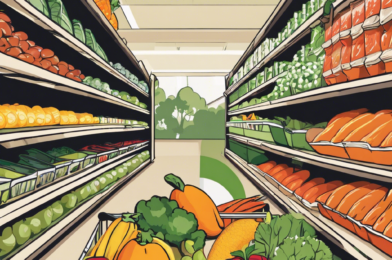
How to Save Money on Groceries Without Sacrificing Quality

Saving money on groceries without compromising quality is a common goal for many consumers. With the rising costs of food products, it’s essential to find smart ways to stretch your budget while still enjoying nutritious and delicious meals. By implementing some practical strategies and making thoughtful choices, you can achieve significant savings on your grocery bill without sacrificing the quality of the food you bring home.

One effective way to save money on groceries is to plan your meals ahead of time. Create a weekly meal plan based on what ingredients you already have and what items are on sale at your local grocery store. By having a clear idea of what you need, you can avoid impulse purchases and reduce the likelihood of buying unnecessary items. Additionally, planning your meals allows you to make use of ingredients more efficiently, minimizing waste and saving money in the long run.

Another tip for saving money on groceries is to take advantage of sales, discounts, and coupons. Keep an eye on special promotions offered by supermarkets and consider buying in bulk when items are on sale. Many stores also provide loyalty programs or digital coupons that can help you save on your grocery purchases. By being strategic and taking advantage of these money-saving opportunities, you can make a significant impact on your overall food expenses.

Opting for store brands and generic products can also lead to substantial savings on your grocery bill. In many cases, store brands offer comparable quality to name brands at a lower price point. Compare the ingredients and nutritional value of different products to ensure you’re getting good value for your money. By being open to trying different brands and alternatives, you can discover cost-effective options without compromising on taste or quality.

One more way to save money on groceries without sacrificing quality is to buy seasonal and locally sourced produce. Seasonal fruits and vegetables are often more affordable and fresher than out-of-season imports. Shopping at farmers’ markets or joining a community-supported agriculture (CSA) program can not only help you save money but also support local farmers and promote sustainable food practices. By incorporating more seasonal produce into your meals, you can enjoy high-quality ingredients at a lower cost.

In conclusion, saving money on groceries without sacrificing quality is entirely feasible with some thoughtful planning and strategic shopping. By meal planning, taking advantage of sales and discounts, choosing store brands, and prioritizing seasonal and local produce, you can make significant savings on your grocery bill while still enjoying delicious and nutritious meals. With a bit of effort and creativity, you can stretch your food budget further and make smart choices that benefit both your wallet and your well-being.