
The Ultimate Guide to Paying Off Credit Card Debt Fast

Credit card debt can quickly spiral out of control, leaving many individuals feeling overwhelmed and stressed. However, with the right strategies and dedication, it is possible to pay off credit card debt fast and regain control of your financial situation. In this ultimate guide, we will explore five key steps to help you tackle your credit card debt effectively.

The first step in paying off credit card debt is to assess the full extent of what you owe. Take the time to gather all your credit card statements and make a list of each card, the outstanding balance, interest rates, and minimum monthly payments. This will give you a clear overview of your debt and help you prioritize which cards to focus on first.

Once you have a clear picture of your credit card debt, the next step is to create a budget that allows you to allocate extra funds towards paying off your debt. Cut back on unnecessary expenses, such as dining out or shopping for non-essential items, and redirect those funds towards your credit card payments. Consider setting up automatic payments to ensure you never miss a payment and incur additional fees.

Another effective strategy for paying off credit card debt fast is to consider transferring high-interest balances to a card with a lower interest rate or taking out a personal loan with a lower interest rate to consolidate your debt. This can help reduce the amount of interest you pay over time and make it easier to focus on paying off the principal balance.

In addition to making consistent payments and reducing your interest rates, it is essential to stay motivated and track your progress as you work towards paying off your credit card debt. Celebrate small victories along the way, such as paying off a specific card or reaching a milestone in your repayment journey. Consider enlisting the support of a friend or family member to hold you accountable and provide encouragement.

In conclusion, paying off credit card debt fast requires discipline, dedication, and a strategic approach. By assessing your debt, creating a budget, exploring balance transfer options, and staying motivated, you can take control of your financial future and work towards a debt-free life. Remember, small steps taken consistently can lead to significant progress in paying off your credit card debt and achieving financial freedom.

The Role of Bankruptcy in Debt Management: What You Need to Know

Bankruptcy plays a significant role in debt management, offering individuals and businesses a legal framework to reorganize or eliminate their debts. Understanding the basics of bankruptcy is crucial for those facing financial challenges. Bankruptcy laws vary by country, but the fundamental principles remain consistent.

There are different types of bankruptcy, with Chapter 7 and Chapter 13 being the most common in the United States. Chapter 7 involves the liquidation of assets to repay debts, while Chapter 13 allows for a repayment plan over a specified period. Each type has its eligibility criteria and implications, so seeking advice from a legal professional is advisable.

Filing for bankruptcy can have long-term consequences on one’s credit score and financial future. It may stay on your credit report for several years, affecting your ability to obtain credit or loans. However, bankruptcy can also provide a fresh start for those overwhelmed by debt, allowing them to rebuild their financial stability over time.

Before considering bankruptcy, exploring alternative debt management strategies is recommended. Negotiating with creditors, seeking financial counseling, or consolidating debts may offer viable solutions without resorting to bankruptcy. It’s essential to weigh the pros and cons of each option and choose the path that best suits your financial situation.

In conclusion, bankruptcy is a powerful tool for debt management, but it should be approached with caution and understanding. Being aware of the implications, seeking professional advice, and exploring all available options are crucial steps in navigating the complex landscape of debt relief. Ultimately, the goal is to achieve financial stability and peace of mind through informed decision-making and responsible financial management.

Top Apps and Tools to Help You Track and Pay Off Your Debt

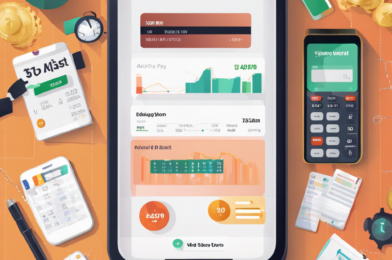
In today’s fast-paced world, managing debt can be a challenging task for many individuals. Fortunately, technology has provided us with various apps and tools to help track and pay off debt more effectively. These tools not only offer convenience but also empower users to take control of their financial well-being. Let’s explore some of the top apps and tools that can assist you in managing your debt efficiently.

One popular app for debt tracking is Mint. Mint allows users to link their bank accounts, credit cards, and loans in one place, giving a comprehensive overview of their financial situation. With features like bill tracking, budgeting tools, and credit score monitoring, Mint helps users stay on top of their debt payments and financial goals. The app sends alerts for upcoming bills and provides insights into spending habits, making it easier to identify areas where cuts can be made to pay off debt faster.

Another useful tool for debt management is Tally. Tally is a debt payoff app that analyzes users’ financial information and suggests the best repayment strategy to save money on interest. By automating debt payments and optimizing payoff strategies, Tally aims to help users become debt-free sooner. The app also offers a line of credit to help users consolidate high-interest debt into a single, lower-interest payment, simplifying the repayment process.

Debt Payoff Planner is a straightforward tool that focuses on creating a customized debt repayment plan based on users’ financial information. By entering details such as outstanding balances, interest rates, and monthly payments, users can visualize a personalized debt payoff schedule. The app calculates the optimal payment strategy to save on interest and pay off debt efficiently. Debt Payoff Planner also tracks progress and provides motivation by showing users how each payment brings them closer to their debt-free goal.

If you prefer a more hands-on approach to debt management, YNAB (You Need A Budget) might be the perfect tool for you. YNAB is a budgeting app that not only tracks expenses but also prioritizes debt repayment within the budget. By giving every dollar a job and focusing on true expenses, YNAB helps users allocate funds towards debt payments effectively. The app encourages users to break the paycheck-to-paycheck cycle, build savings, and tackle debt systematically for long-term financial stability.

In conclusion, staying on top of debt can be a daunting task, but with the help of these apps and tools, managing and paying off debt can become more manageable and even rewarding. Whether you prefer automated solutions like Mint and Tally or hands-on budgeting with YNAB, finding the right tool that fits your financial needs and goals is essential. By utilizing these resources wisely and staying committed to your debt repayment plan, you can take control of your finances and work towards a debt-free future.

How to Avoid Common Debt Traps and Stay Financially Healthy

Debt can often feel like a heavy burden that weighs us down, affecting our financial health and overall well-being. However, by being aware of common debt traps and taking proactive steps to avoid them, we can pave the way towards a more stable and prosperous future.

One of the first steps towards avoiding common debt traps is to create a realistic budget and stick to it. By tracking your income and expenses, you can identify areas where you may be overspending and make necessary adjustments to ensure that you are living within your means.

Another common debt trap to watch out for is the temptation of easy credit. While credit cards and loans can provide temporary relief, they can also lead to a cycle of debt if not managed responsibly. It’s important to only borrow what you can afford to repay and to avoid accumulating high-interest debt whenever possible.

Building an emergency fund is also crucial in staying financially healthy and avoiding debt traps. By setting aside a portion of your income for unexpected expenses, you can avoid having to rely on credit cards or loans in times of financial hardship.

Lastly, seeking financial advice and guidance from professionals can help you make informed decisions about your money and avoid falling into common debt traps. Whether it’s speaking to a financial advisor or attending financial literacy workshops, investing in your financial education can pay off in the long run.

By being mindful of common debt traps, creating a solid financial plan, and seeking support when needed, you can take control of your finances and pave the way towards a brighter and more secure future. Remember, staying financially healthy is a journey that requires diligence and commitment, but the rewards of financial independence and stability are well worth the effort.

How to Use Balance Transfer Credit Cards to Manage Debt

Managing debt can be a challenging task for many individuals, but using balance transfer credit cards can be a helpful strategy to get your finances back on track. Balance transfer credit cards allow you to transfer high-interest debt from one or multiple credit cards to a new card with a lower interest rate, potentially saving you money in the long run. However, it’s essential to understand how to use these cards effectively to avoid falling deeper into debt.

When considering a balance transfer credit card, the first step is to compare different offers from various card issuers. Look for cards with a low introductory APR period, ideally with a 0% APR for a significant amount of time. This will give you a window to pay off your transferred balance without accruing additional interest charges. Be sure to factor in any balance transfer fees that may apply, as these can affect the overall cost of consolidating your debt onto a new card.

Once you’ve chosen a balance transfer credit card that fits your needs, it’s crucial to create a repayment plan. Calculate how much you can afford to pay each month towards your transferred balance and stick to that budget. Setting up automatic payments can help ensure that you stay on track and avoid missing any due dates, which could result in penalty fees or a higher interest rate.

While using a balance transfer credit card can be a valuable tool for managing debt, it’s essential to avoid falling into the trap of accumulating more debt on your new card. Resist the temptation to make new purchases on the card, as this can hinder your progress in paying off the transferred balance. Focus on reducing your existing debt and improving your overall financial situation.

In conclusion, balance transfer credit cards can be a useful strategy for managing debt effectively. By comparing offers, creating a repayment plan, and avoiding accumulating new debt, you can take control of your finances and work towards becoming debt-free. Remember to stay disciplined with your payments and financial habits to make the most of this debt management tool.

Understanding Secured vs. Unsecured Debt: Key Differences and Implications

Understanding the difference between secured and unsecured debt is crucial for anyone managing their finances. These two types of debt have distinct characteristics that can have a significant impact on your financial well-being. Secured debt is backed by collateral, such as a house or car, which the lender can seize if the borrower fails to repay the loan. On the other hand, unsecured debt does not require collateral and is based solely on the borrower’s creditworthiness.

Secured debt offers lenders more security, as they have the right to repossess the collateral if the borrower defaults on the loan. This reduced risk for lenders often results in lower interest rates for borrowers. Mortgages and auto loans are common examples of secured debt. In contrast, unsecured debt, such as credit card debt and personal loans, poses a higher risk for lenders as there is no collateral to recover in case of default. Therefore, unsecured debt typically comes with higher interest rates to compensate for this risk.

When it comes to repayment priority, secured debt takes precedence over unsecured debt in the event of bankruptcy or default. This means that if a borrower is unable to repay all their debts, secured creditors have the right to claim the collateral before unsecured creditors receive any payment. Understanding this hierarchy is essential for borrowers to prioritize their debt payments and protect their assets in challenging financial situations.

It is essential for individuals to carefully consider the implications of taking on secured or unsecured debt before making financial decisions. Secured debt can provide access to lower interest rates and larger loan amounts, making it a suitable option for major purchases like homes or vehicles. However, borrowers must be aware of the risk of losing their collateral if they default on the loan. On the other hand, unsecured debt offers more flexibility but usually comes with higher interest rates and stricter repayment terms.

In conclusion, understanding the differences between secured and unsecured debt is crucial for making informed financial decisions. Whether you are considering taking out a loan or managing existing debts, knowing the implications of each type of debt can help you navigate the financial landscape more effectively. By being aware of the risks and benefits associated with secured and unsecured debt, individuals can make sound financial choices that align with their long-term goals and financial well-being.

How to Negotiate with Creditors: Strategies to Lower Your Debt

Facing a mountain of debt can be overwhelming, but there are strategies you can employ to negotiate with creditors and lower your financial burden. Whether you’re dealing with credit card debt, medical bills, or other outstanding payments, understanding how to approach creditors can help you take control of your finances and work towards a debt-free future.

The first step in negotiating with creditors is to assess your current financial situation. Take stock of all your debts, including the total amount owed, interest rates, and minimum monthly payments. This information will not only give you a clear picture of your financial standing but also help you determine how much you can realistically afford to pay back.

Once you have a good grasp of your finances, it’s time to reach out to your creditors and discuss potential options for debt repayment. Be proactive and transparent about your situation, and don’t be afraid to ask for lower interest rates, extended payment terms, or even a settlement offer to reduce the overall amount owed. Remember, creditors are often willing to work with you to find a mutually beneficial solution.

When negotiating with creditors, it’s essential to stay calm and respectful, even if the conversation becomes challenging. Avoid making promises you can’t keep and be honest about what you can afford to pay each month. By demonstrating your willingness to cooperate and find a reasonable repayment plan, you increase the likelihood of reaching a favorable agreement with your creditors.

In some cases, you may want to consider seeking the help of a credit counseling agency or a debt settlement company to assist you in negotiations with creditors. These professionals can provide expert guidance and support to help you navigate the complexities of debt negotiation and reach a resolution that works for both parties. However, be cautious and do thorough research before engaging with any third-party service to ensure they are reputable and trustworthy.

Overall, negotiating with creditors requires patience, persistence, and a willingness to advocate for yourself. By taking proactive steps to communicate with your creditors, understand your financial obligations, and explore available options, you can take control of your debt and pave the way towards a more secure financial future. Remember, facing debt is a common challenge, and with the right approach, you can successfully lower your debt and work towards a brighter financial outlook.

Understanding Debt-to-Income Ratio and How It Affects Your Finances

Understanding Debt-to-Income Ratio and How It Affects Your Finances

Debt-to-income ratio is a crucial financial metric that plays a significant role in determining an individual’s financial health and stability. Simply put, the debt-to-income ratio is a measure of how much of your monthly income goes towards paying off debts. This ratio is calculated by dividing your total monthly debt payments by your gross monthly income and is usually expressed as a percentage. Understanding this ratio is essential as it can have a profound impact on your ability to borrow money, make major purchases, and achieve your financial goals.

A healthy debt-to-income ratio is typically considered to be below 36%. This means that your total monthly debt payments should not exceed 36% of your gross monthly income. A lower debt-to-income ratio indicates that you have more disposable income available to cover your living expenses and save for the future. On the other hand, a higher debt-to-income ratio suggests that you may be overextended financially and could be at risk of defaulting on your debts.

The debt-to-income ratio is used by lenders to assess an individual’s creditworthiness and ability to repay loans. When applying for a mortgage, car loan, or any other type of credit, lenders will evaluate your debt-to-income ratio to determine if you can afford to take on additional debt. A high debt-to-income ratio may result in higher interest rates, stricter loan terms, or even denial of credit altogether. It is important to keep your debt-to-income ratio in check to maintain a good financial standing and access to affordable credit options.

To improve your debt-to-income ratio, you can focus on reducing your existing debts and increasing your income. Paying off high-interest debts, such as credit card balances, can help lower your monthly debt payments and improve your ratio. Additionally, finding ways to increase your income, such as taking on a part-time job or freelancing, can also positively impact your debt-to-income ratio. By actively managing your debts and income, you can work towards achieving a healthy balance and securing your financial future.

In conclusion, understanding your debt-to-income ratio is key to managing your finances effectively and making informed financial decisions. By keeping your debt-to-income ratio at a healthy level, you can improve your financial well-being, qualify for better loan terms, and avoid falling into debt traps. Take control of your finances by monitoring your debt-to-income ratio regularly and taking the necessary steps to maintain a balanced financial profile.

Top 10 Tips for Managing Student Loan Debt

Student loan debt can feel overwhelming, but with the right strategies, you can manage it effectively. Here are ten tips to help you navigate your student loan repayment journey:

1. **Understand Your Loans**: Start by understanding the details of your loans, including the type of loans, interest rates, and repayment terms. Knowing this information will help you make informed decisions about your repayment strategy.

2. **Create a Budget**: Establishing a budget can help you prioritize your expenses and allocate funds towards your student loan payments. Track your income and expenses to identify areas where you can cut back and put more money towards your loans.

3. **Explore Repayment Options**: Investigate different repayment options, such as income-driven repayment plans or loan consolidation. These programs can help lower your monthly payments based on your income level.

4. **Make Extra Payments**: Whenever possible, consider making extra payments towards your student loans. Even small additional payments can help you pay off your loans faster and reduce the total interest you’ll pay over time.

5. **Avoid Default**: Missing payments can lead to default and have serious consequences, such as damage to your credit score. If you’re having trouble making payments, contact your loan servicer to explore alternative payment arrangements.

6. **Take Advantage of Tax Deductions**: Certain student loan interest payments may be tax-deductible. Check with a tax professional to see if you qualify for this deduction, which can help lower your overall tax liability.

7. **Stay Informed**: Keep yourself updated on changes to student loan policies and programs. Understanding the latest developments can help you take advantage of new opportunities for loan forgiveness or repayment assistance.

8. **Consider Refinancing**: If you have a stable income and good credit, refinancing your student loans at a lower interest rate could save you money in the long run. Compare offers from different lenders to find the best option for your situation.

9. **Seek Financial Assistance**: Don’t hesitate to seek help from financial advisors or student loan counselors if you’re struggling to manage your debt. They can provide personalized guidance and resources to help you tackle your loans effectively.

10. **Stay Motivated**: Remember that managing student loan debt is a long-term commitment. Stay motivated by setting achievable goals and celebrating milestones along the way. With determination and a solid plan, you can successfully navigate your student loan repayment journey.

Debt Management Plans: What They Are and How They Can Help You

Debt management plans are financial tools designed to help individuals struggling with debt regain control of their finances. These plans are typically set up and managed by credit counseling agencies, who work with creditors to negotiate lower interest rates and more manageable payment terms for the individual. By consolidating multiple debts into one monthly payment, debt management plans can make it easier for people to stay on top of their finances and ultimately become debt-free.

One of the key benefits of a debt management plan is the potential reduction in interest rates. Creditors may agree to lower interest rates as part of the plan, which can help individuals pay off their debts more quickly and save money in the long run. Additionally, debt management plans often involve waiving or reducing late fees and over-limit charges, further easing the financial burden on the individual.

In addition to lower interest rates and waived fees, debt management plans can also simplify the debt repayment process. Instead of keeping track of multiple due dates and payment amounts, individuals on a debt management plan make a single monthly payment to the credit counseling agency, which then distributes the funds to creditors. This streamlined approach can help reduce the stress and confusion often associated with managing multiple debts.

Furthermore, debt management plans provide a structured framework for individuals to tackle their debt and work towards financial stability. Credit counseling agencies offer guidance and support throughout the process, helping individuals create realistic budgets, set financial goals, and develop healthy money management habits. By following the plan and staying committed to the process, individuals can make significant progress towards becoming debt-free.

In conclusion, debt management plans can be valuable tools for individuals looking to take control of their finances and eliminate debt. By negotiating lower interest rates, consolidating debts, and providing ongoing support and guidance, these plans offer a path towards financial stability and freedom. If you are struggling with debt, consider reaching out to a reputable credit counseling agency to explore the possibility of a debt management plan and take the first step towards a brighter financial future.